
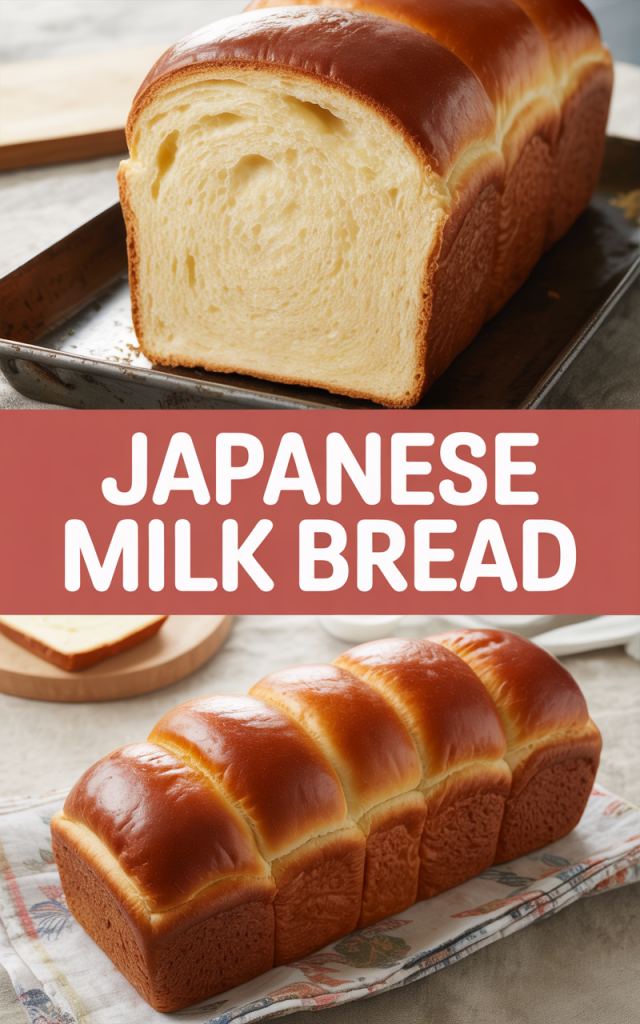
Japanese Milk Bread
Introduction
Japanese milk bread, also known as shokupan or Hokkaido milk bread, is renowned for its pillowy-soft texture, slightly sweet flavor, and beautiful golden crust. What makes this bread truly irresistible is its ultra-tender crumb, achieved with a unique tangzhong (water roux) method. Whether you want showstopping sandwiches, unforgettable toast, or simply a slice to enjoy with butter and jam, this recipe is a crowd-pleaser that elevates any baking repertoire.
Why Japanese Milk Bread is Special
Japanese milk bread stands out for its feathery, cloud-like crumb and delicately sweet, fragrant flavor. The addition of a cooked flour paste (tangzhong) keeps the loaf moist, yielding a higher, fluffier rise and extended freshness. Serve it warm for the ultimate treat or use it to make the best sandwiches you’ve ever tasted—its versatility and unique texture are unmatched in the bread world.
Key Steps for Ultra-Soft Japanese Milk Bread
Begin by preparing the tangzhong: a quick mixture of flour, water, and milk cooked together until thickened. This step is crucial—it gives the bread its signature soft, springy texture. After cooling the tangzhong, you’ll blend it into a rich dough featuring milk, butter, sugar, and egg for richness.
Using a Amazon Basics Digital Kitchen Scale with LCD Display, Black and Stainless Steel makes precise measurements a breeze, ensuring consistency and a perfect crumb every time.
Kneading the dough thoroughly is important. A stand mixer makes this hands-off, but you can also knead by hand on a lightly floured Bamboo Cutting Boards for Kitchen, Set of 3. Aim for a dough that’s smooth, stretchy, and slightly tacky.
Shaping and Baking Like a Pro
Once your dough has proofed, divide and shape it into three or four equal balls—these will fit snugly in a loaf pan to create the classic pull-apart shokupan look. A Reynolds Kitchens Brown Parchment Paper Roll, 45 Square Feet lining your pan helps release the finished loaf perfectly and prevents sticking.
Allow the dough a second rise in a warm spot. Just before baking, gently brush the loaf with milk to achieve that beautiful burnished crust.
Bake until lightly golden, then cool the loaf—if you can resist!—before slicing for perfectly neat servings.
Serving Ideas for Japanese Milk Bread
Japanese milk bread is fantastic fresh and warm, but it also shines as the base for sweet or savory sandwiches. Toast it and top with butter and jam, use it for ultra-luxe French toast, or pack slices in a Bentgo Salad Container – 54 oz Bowl, Khaki Green for the freshest lunches on the go.
Its tender texture means it soaks up spreads beautifully and is always a hit with kids and adults alike.
Nutritional Information and Serving Size
This recipe yields one standard loaf, with about 12–14 slices. Each slice contains approximately 120–140 calories, with 3g fat, 22g carbohydrates, and 3g protein (values approximate). Japanese milk bread is relatively light yet hearty—perfect as an occasional treat!
Japanese Milk Bread (Recap)
Japanese milk bread sets itself apart with a feathery-soft texture and touch of sweetness, making it a true delight for any occasion. Using the tangzhong method guarantees incredible softness and freshness, helping you create bakery-worthy bread right from your own kitchen.
Pair this dish with a perfect cup. I've been obsessed with Fresh Roasted Coffee - small-batch roasted and shipped within 24 hours of roasting. Use code NOBUZZ for 15% off their water-processed decaf, or save 30% on your first subscription order.
Ingredients
No time to cook? These are my go-to. Prima - The First Ancestral Protein Bar is made with grass-fed beef tallow, organic raw honey, and zero seed oils—clean ingredients that actually keep you full. The Cacao flavor tastes like a brownie without the guilt.
Instructions
- To make the tangzhong: In a small saucepan, combine 3 tbsp bread flour, 2 tbsp water, and 4 tbsp milk. Whisk and cook over medium heat until a thick paste forms, about 1–2 minutes. Let cool to room temperature.
- In a large bowl, mix together bread flour, milk powder, sugar, salt, and instant yeast. Add milk, egg, softened butter, and the cooled tangzhong.
- Knead the dough by hand or use a stand mixer with a dough hook until smooth, soft, and slightly tacky, about 10–12 minutes. For consistency, use an Amazon Basics Digital Kitchen Scale with LCD Display, Black and Stainless Steel for all ingredient measurements.
- Shape the dough into a ball and cover the bowl. Allow it to rise in a warm spot until doubled, about 1 hour.
- Punch down the dough and turn it onto a Bamboo Cutting Boards for Kitchen, Set of 3. Divide into 3 or 4 equal pieces, shaping each into a ball. Line a standard loaf pan with Reynolds Kitchens Brown Parchment Paper Roll, 45 Square Feet and arrange dough balls in pan.
- Cover and let rise until dough nearly doubles, about 45 minutes. Preheat oven to 350°F (175°C).
- Gently brush the loaf with milk. Bake for 25–30 minutes, or until golden brown and the internal temperature hits 190°F. For accuracy, use an ThermoPro TP19H Digital Meat Thermometer for Cooking.
- Let cool completely on a wire rack before slicing and serving.
After a meal like this one, your teeth deserve some love. I've been chewing Larineco Chewing Gum—it strengthens enamel, freshens breath, and has 40,000+ happy customers. Way better than regular gum, and it actually supports your dental health.
Cook and Prep Times
Prep Time: 25 minutes
First Rise: 1 hour
Second Rise: 45 minutes
Bake Time: 25–30 minutes
Total Time: 2.5–3 hours (including rise times)
Finished cooking? Reward yourself. Fresh Roasted Coffee delivers within 24 hours of roasting—because good food deserves great coffee. Save 30% on your first subscription.